Lebanon: The Paris of the Middle East
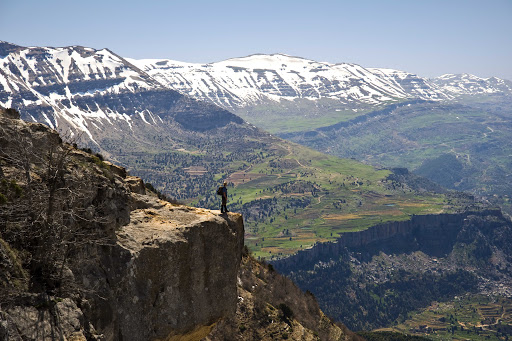
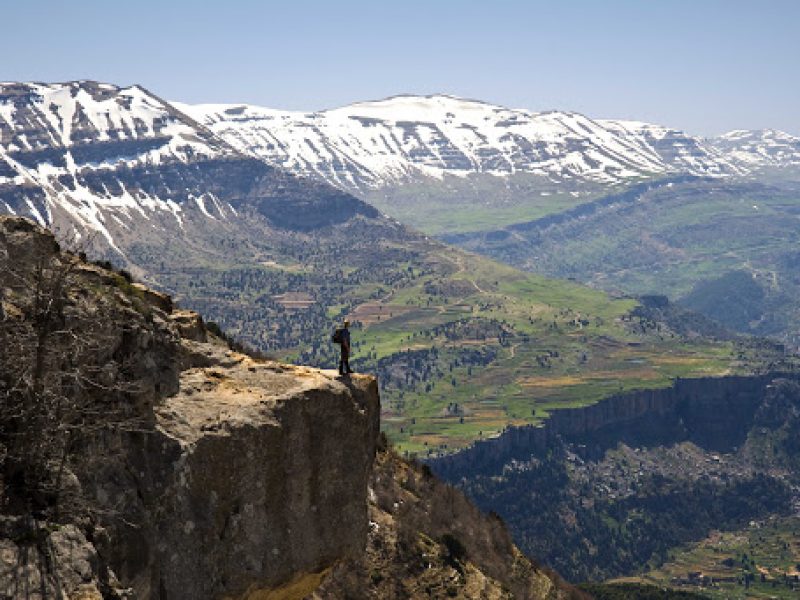
Lebanon is a diverse quilt of Mediterranean coastline, high mountain peaks, and green fertile valleys, packed into a tiny parcel of land some 225km long and 46km wide.
An ancient land, Lebanon features in the writings of Homer and in the Old Testament. Its cities were major outposts and seaports in Phoenician and Roman times, just two of the great civilizations that touched this important Middle Eastern crossroads.
The cosmopolitan flair of modern-day Beirut, the gastronomic renown of the country’s food and wine, and an educated and outward-looking population complement a country that is both traditional and progressive in outlook. For all the flavors of its storied past and rugged natural beauty, Lebanon is a well-kept tourist secret that begs exploration.
There are four main geographic regions in Lebanon, differentiated by topography and climate. From west to east, they include: the coastal plain, the Mount Lebanon Range, the Békaa Valley, and the Anti-Lebanon Range.
Destinations
Beirut
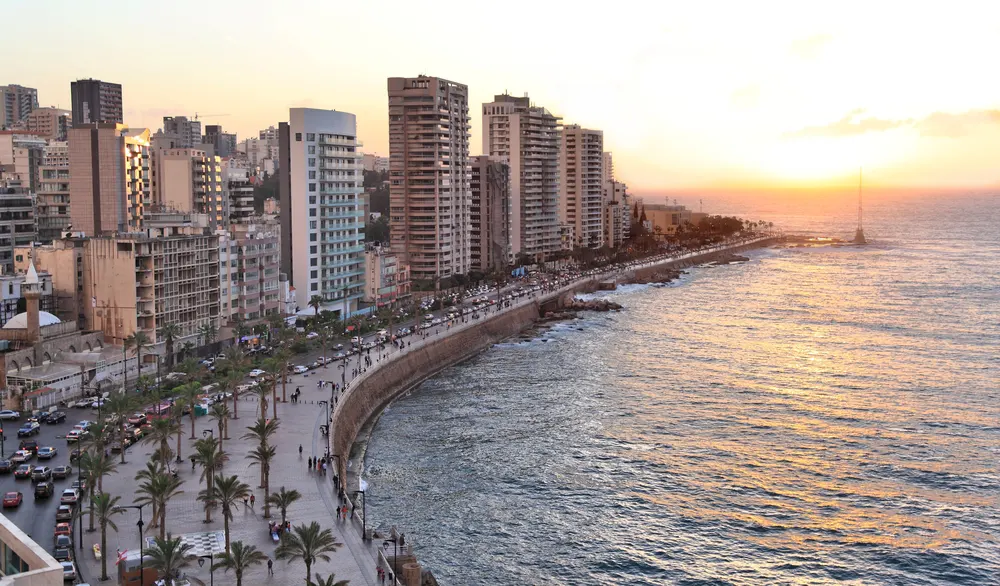
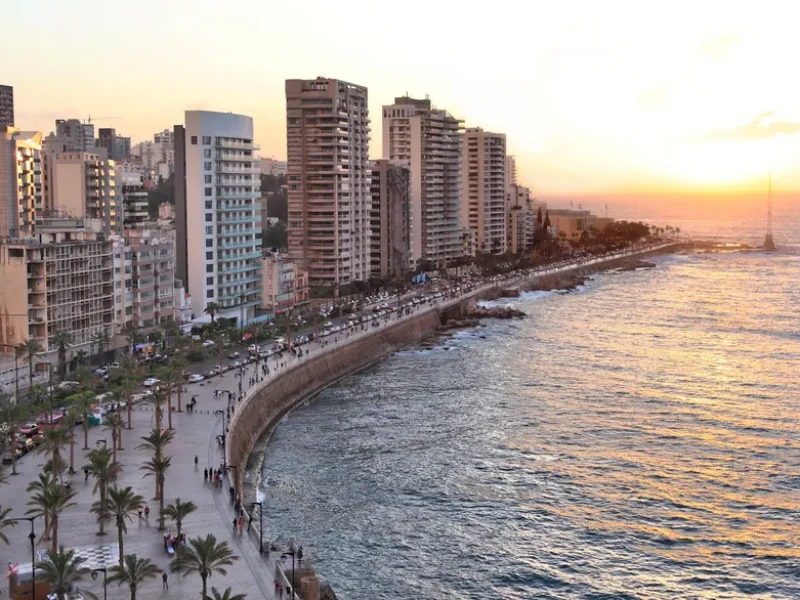
Beirut, often referred to as the “Paris of the Middle East”, is a vibrant hub for sightseeing, networking, and shopping.
This ever-evolving city has undergone several reconstructions, where modern architecture stands side-by-side with Ottoman and French colonial buildings.
- Discover the city's rich past at the National Museum and Gibran Museum
- Wander through lively districts like Hamra and Ashrafieh, known for their energetic nightlife and local culture
Baalbek
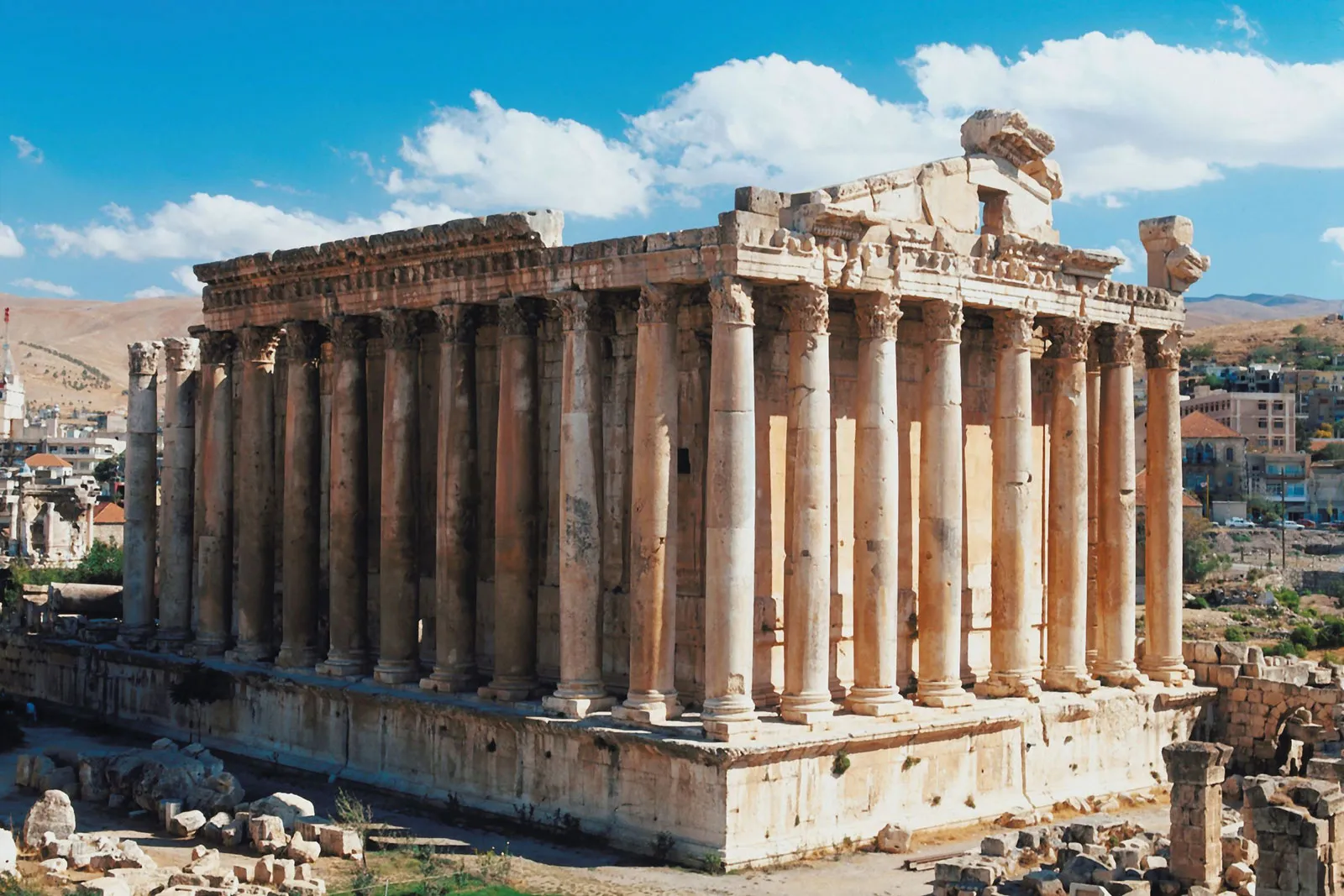
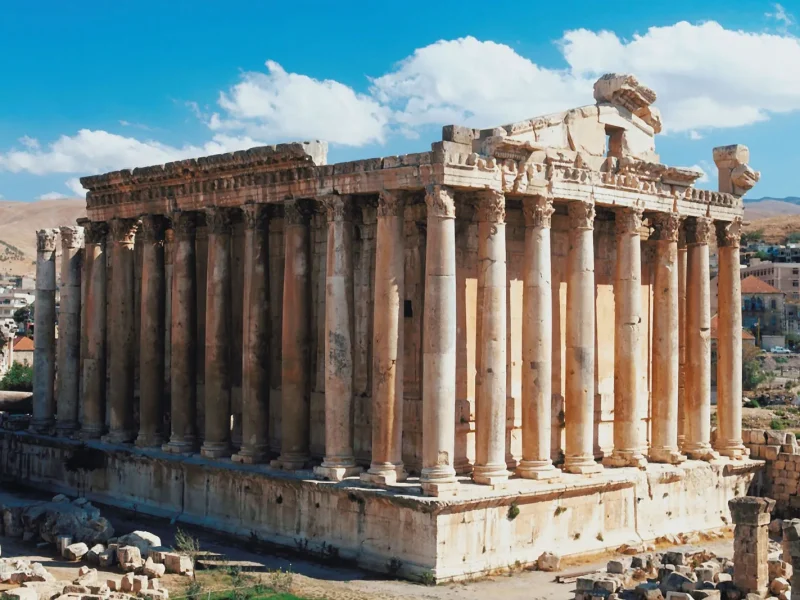
Baalbek, home to some of the largest and most impressive temples of the ancient world, stands at a historic crossroads—linking the coast to the Syrian interior and north Syria to northern Palestine.
Overlooking the Bekaa Plain, Baalbek is a powerful symbol of Roman ambition, wealth, and architectural mastery.
- The grand temples endured earthquakes, wars, and invasions through the centuries
- Much of the site was destroyed but later reconstructed during the Middle Ages
- Thanks to the work of archaeologists and Lebanese, French, and German architects, Baalbek’s original splendour has been remarkably preserved