Indonesia – A Tapestry of Nature and Culture
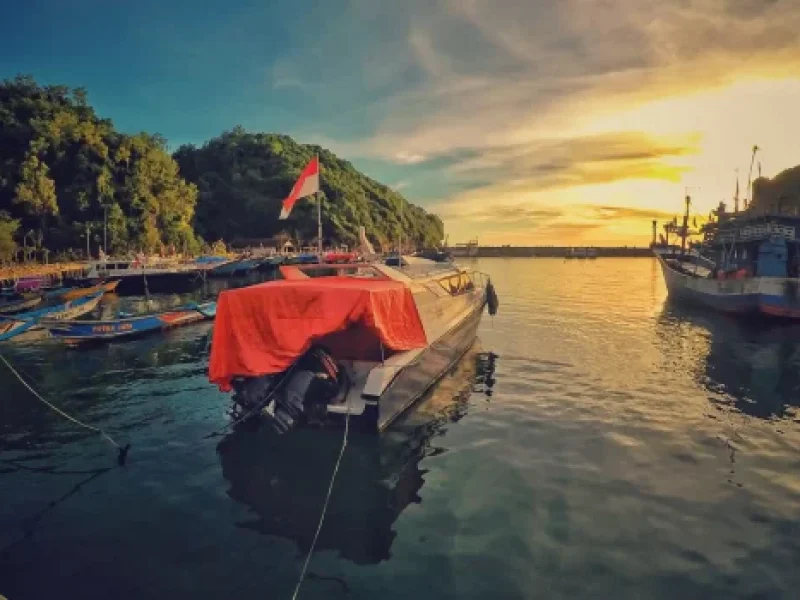
The biggest archipelago in the world, Indonesia is made up of hundreds of large and tiny islands that are connected by straits and the ocean, stretching from Sabang in Aceh to Merauke in Papua.
Numerous Indonesian beaches are among the most stunning in the world, among along with the country’s many others. Senggigi Beach in Lombok, Kuta Beach in Bali, Bunaken Beach in Manado, and many other stunning beaches are just a few examples.
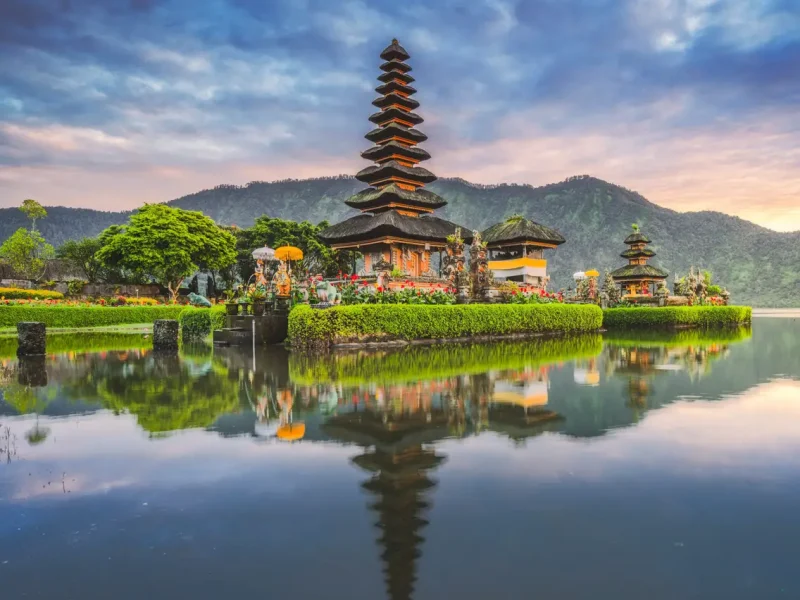
Natural beauty abounds in Indonesia. Due to its stunning natural surroundings, Indonesia has grown to be a highly sought-after holiday destination for both domestic and foreign tourists. The panorama in Indonesia is definitely not inferior to that in other nations. Because it wouldn’t harm if we took a vacation to take in the diverse natural beauty that exists in Indonesia and promote it as a tourist destination.
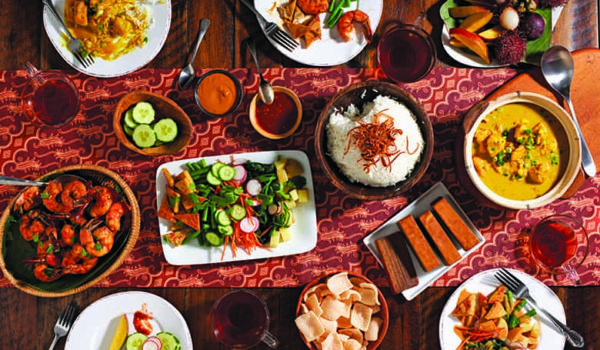
Indonesia is also culturally diverse, with many different tribes coexisting in peace and harmony there. Each tribe has unique features that contribute to Indonesia’s cultural variety. Each region of Indonesia also has a distinct cuisine.
Destinations
Bali
Bali is a wonderful fusion of people, culture, nature, activities, cuisine, nightlife, and beautiful accommodations.
A true utopia, Bali welcomes you as you are—open, accepting, and effortlessly inspiring.
The island offers a staggering variety of experiences to suit every kind of traveller:
- Rich cultural traditions and vibrant local art
- Diverse landscapes, from beaches to rice terraces to jungle retreats
- Gastronomic delights, buzzing nightlife, and serene getaways
Bali also delivers excellent value for money, with authentic, colourful, and one-of-a-kind cultural encounters.
If you’re looking to escape the crowds, a short drive can transport you to a timeless Bali—untouched by mass tourism.
There, nature reveals its magnificence in peaceful, secluded settings, offering moments of pure serenity.
Raja Ampat
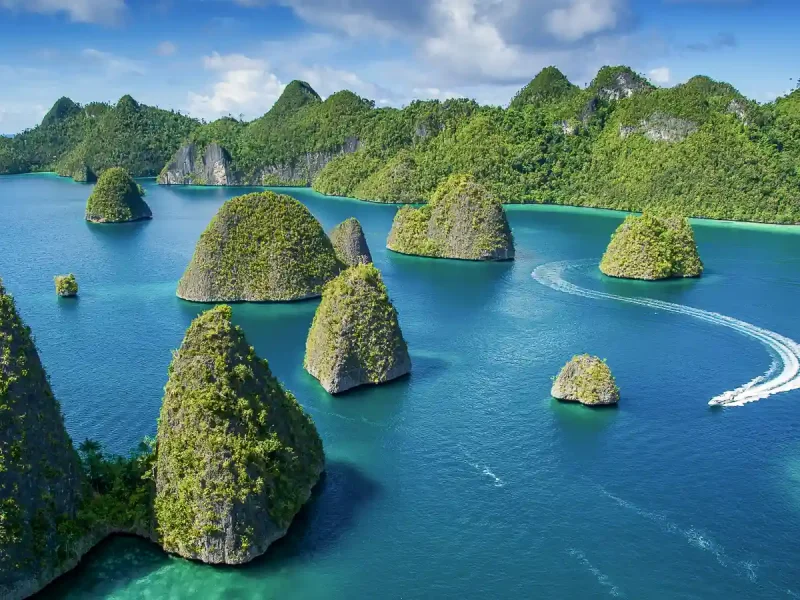
Raja Ampat is where words like beautiful, charming, amazing, and awe-inspiring come to life—both above and below the waves, across its landscapes and within its dense jungles.
- Beneath the surface lies a world of unmatched underwater splendour, teeming with marine life
- Above the water, the scenery is equally spectacular, offering unforgettable views
One of the most iconic sights is the rock islands of Piaynemo—a cluster of jagged green islets, set with artistic perfection between the brilliant blue ocean and the endless sky.
It’s a place that feels more crafted than created—an untouched jewel of the natural world.
Flavours & Heritage
Food
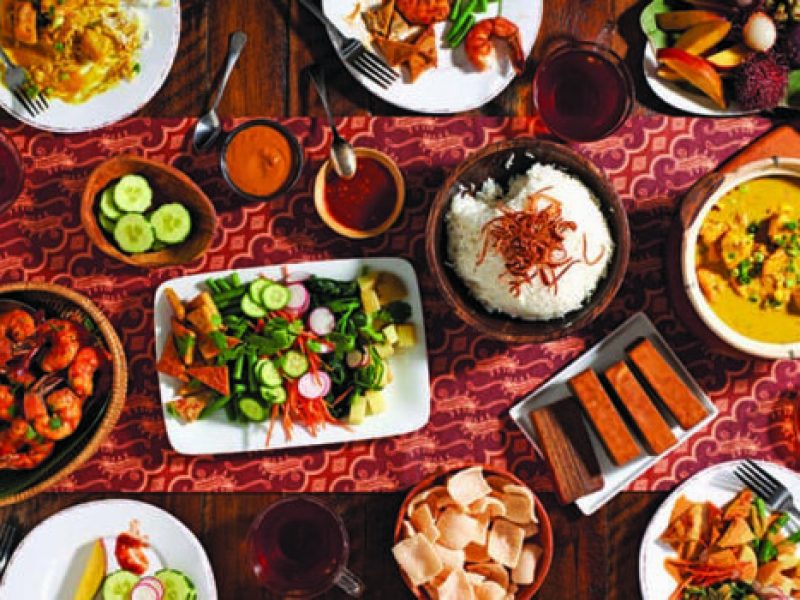
Indonesia benefits from an abundance of saltwater fish and seafood because of its extensive coastline’s advantageous location between two seas. Freshwater fish are found in its numerous lakes and rivers. Unsurprisingly, fish is a key source of nutrition for the people of Indonesia and is typically smoked, grilled, baked, or otherwise prepared.
The greatest commercial crop in Indonesia is sugar, which supports the country’s thriving agricultural sector. The nation has been able to produce enough rice to fulfill its domestic consumption thanks to improved farming practices in the 1980s and 1990s. The nation is regarded as the world’s second-largest producer of palm oil after Malaysia and the third-largest producer of coffee (after Brazil and Colombia).
Culture
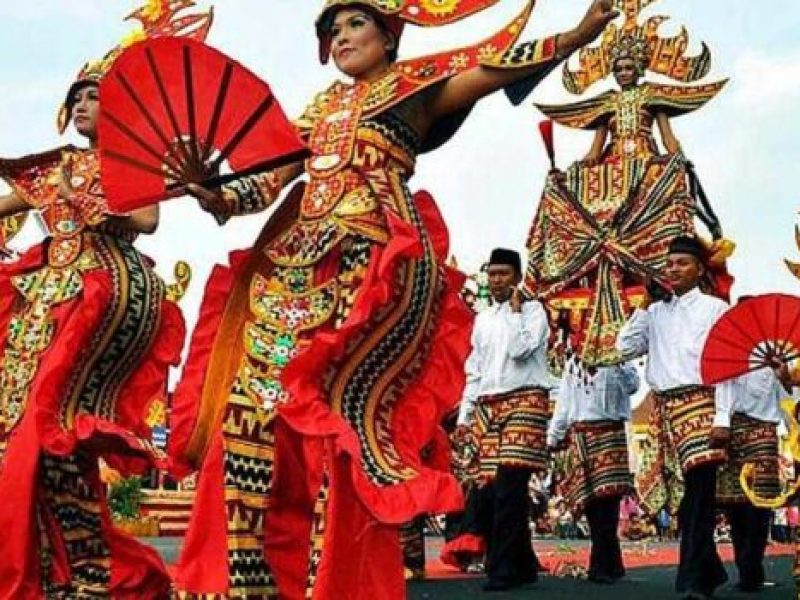
Another incentive to travel to this stunning Asian nation is to experience the well-known festivals there. In this nation, there is a traditional or religious festival almost every month of the year. Take note of them and arrange part of your travel to coincide with them so you may experience the enchantment and splendour of these festivals.
The Republic of Indonesia is an island nation with approximately 17,000 islands, the most of which are populated by Muslims. Even so, a portion of the populace adheres to Confucianism, Hinduism, Buddhism, and even Catholicism.
This mingling of cultures and religions gives its customs and citizens a particularly eclectic character, which carries over to its most significant occasions and well-known festivals, such the Mawlid Festival, the Summer Festival of Samosir, and the Full Moon Festival.