Malaysia: Where Nature Meets Diversity
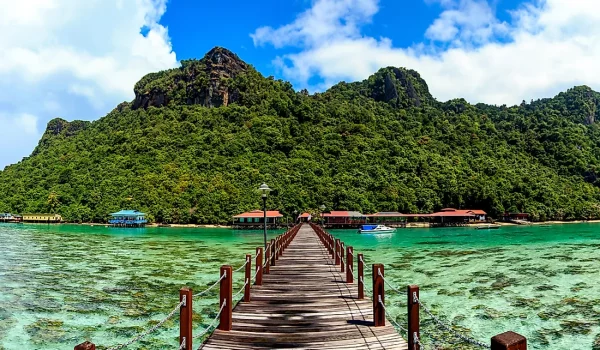
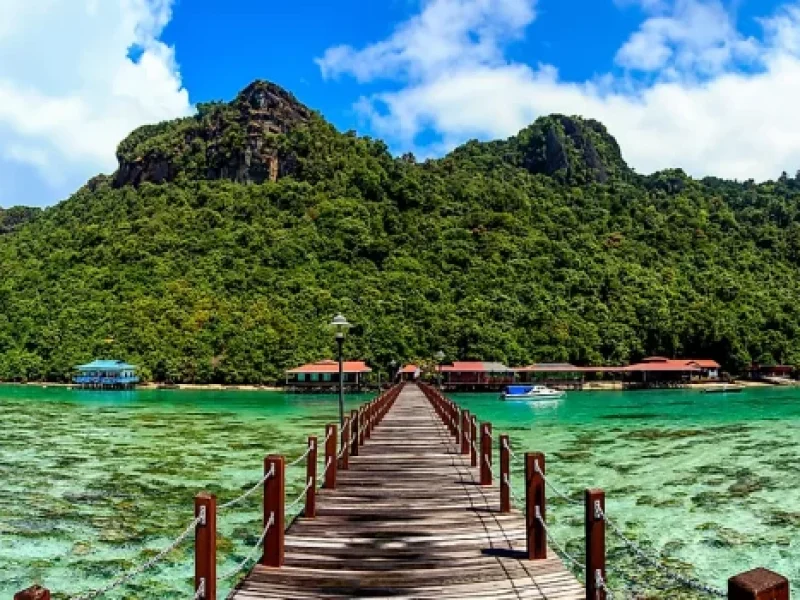
Malaysia is a nation in Southeast Asia that has territory on both Borneo Island and the Malay Peninsula.
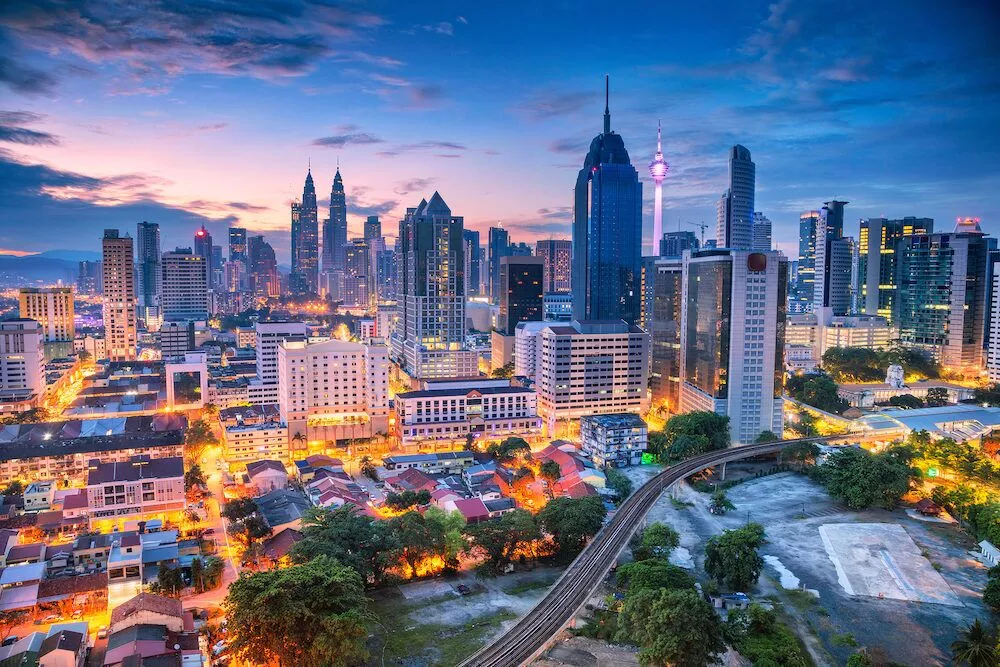
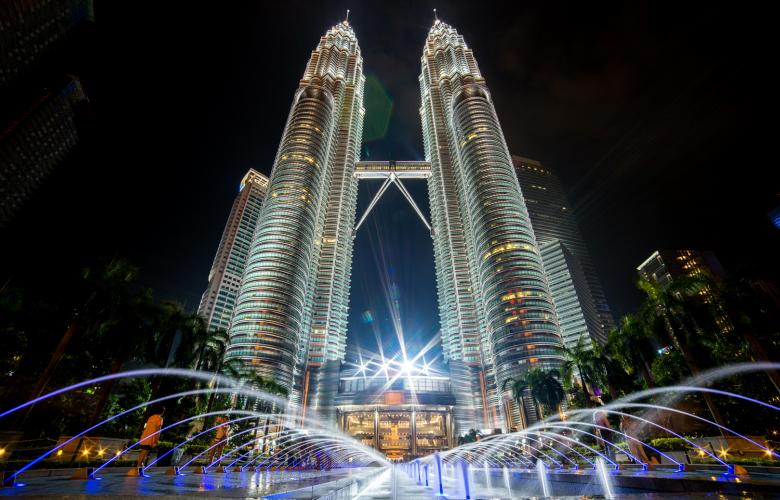
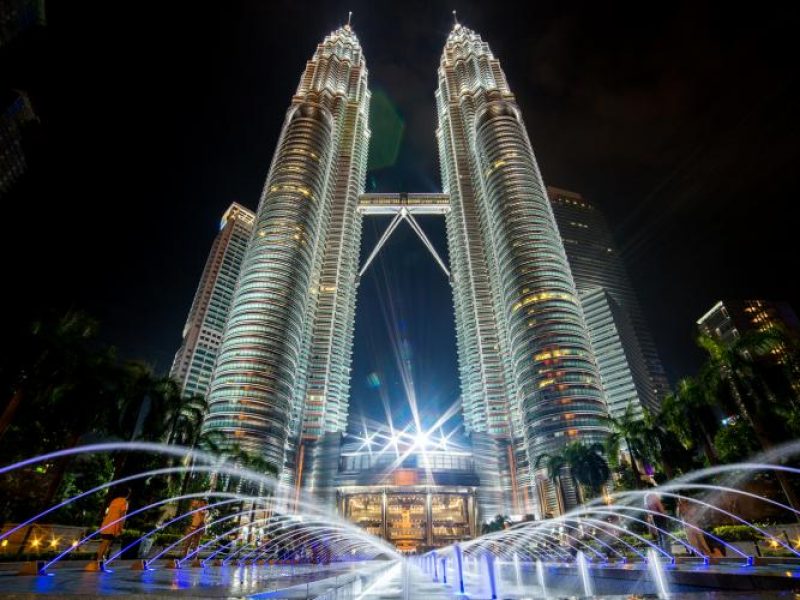
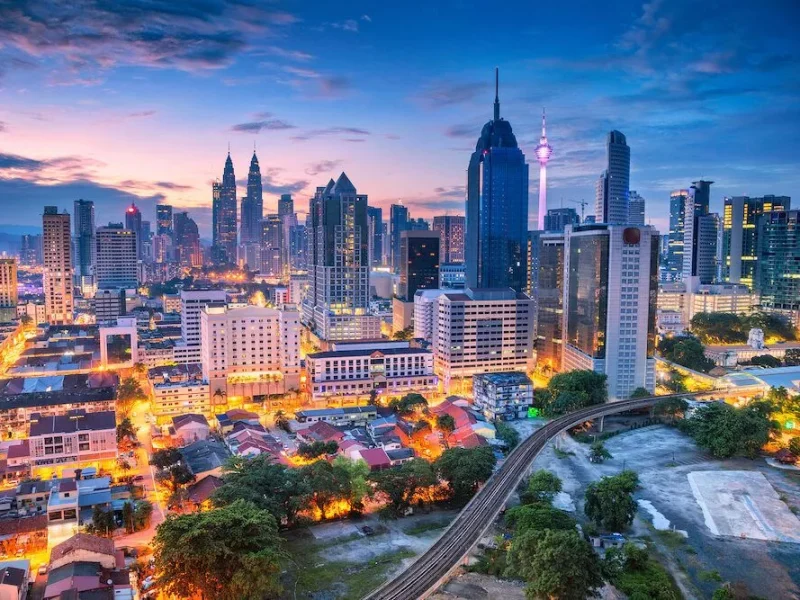
The beaches, rainforests, and blend of Malay, Chinese, Indian, and European cultural influences make it famous. Colonial structures, bustling commercial areas like Bukit Bintang, and skyscrapers like the recognisable, 451-meter-tall Petronas Twin Towers may all be found in Malaysia’s capital, Kuala Lumpur.
Malaysia is made up of two separate, non-contiguous regions: East Malaysia (Malaysia Timur), which is located on the island of Borneo, and Peninsular Malaysia (Semenanjung Malaysia), which lies on the Malay Peninsula and is also known as West Malaysia (Malaysia Barat).
The administrative centre, Putrajaya, is situated around 16 miles (25 km) south of Kuala Lumpur, which is situated on the western portion of the peninsula, approximately 25 miles (40 km) from the shore.
Destinations
Kuala Lumpur
Imagine a metropolis filled with glittering skyscrapers, colonial-era architecture, welcoming locals, and lush natural beauty.
This is Kuala Lumpur, the vibrant capital of Malaysia.
Wander through streets lined with food stalls, shaded under a canopy of banyan trees, and soak in the city’s unique atmosphere.
The city’s central hub, known as the Golden Triangle, includes key districts such as:
- Bukit Bintang
- Aquaria KLCC
- Chinatown
Kuala Lumpur is also home to some of Malaysia’s most iconic landmarks:
- Petronas Twin Towers – the world’s tallest twin towers
- Islamic Arts Museum
- Royal Malaysian Police Museum
- Petaling Street Flea Market
- Batu Caves – a stunning natural site nearly 400 million years old
Petronas Twin Towers
The Petronas Twin Tower is Malaysia’s most well-known landmark and iconic building.
In the city of Kuala Lumpur, the twin towers are located on Jalan Ampang Road. Even though the buildings were built to house the numerous offices that operate out of Kuala Lumpur, they today serve a far wider range of functions.
Flavours & Heritage
Food
Malay cuisine combines the complex flavours of the various plants and spices that are frequently found in Southeast Asia, making it robust, spicy, and fragrant.
Along with Chinese and Indian food, it is one of the three main cuisines in Malaysia and never ceases to amaze tourists with the great diversity and tastes it offers.
Culture
Malaysia has a diverse population. The indigenous Malays are the dominant ethnic group, followed by sizable communities of Chinese and Indians.
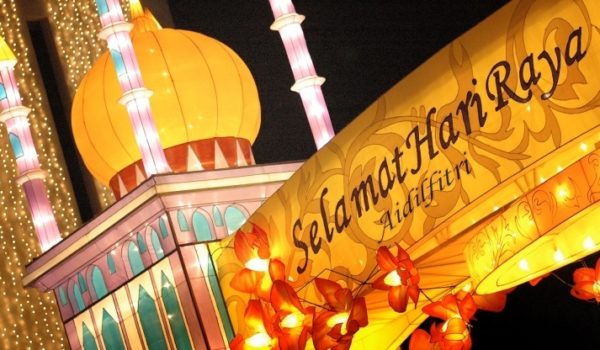
Travelers may see that the many ethnic groups in the nation still practice their respective religions, cultures, and lifestyles. Public holidays mark each group’s most important celebrations.
The main festival in Malaysia is called Eid, and celebrations for it begin after the conclusion of Ramadan. Before coming home and hosting an open house, people visit the mosque in the morning for prayers.